 Image 1 of 2
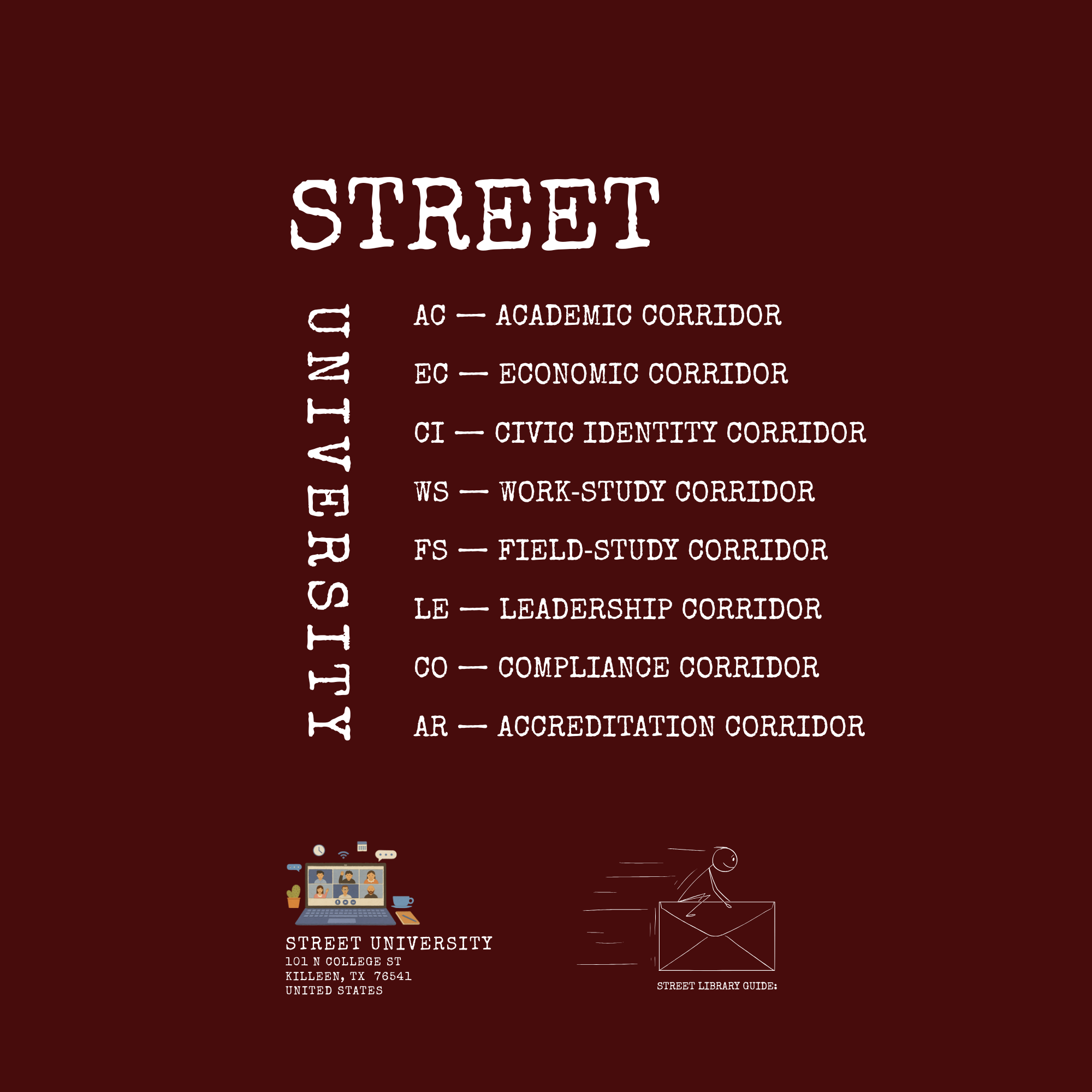 Image 2 of 2
Title: Little House on the Prairie
Author: Laura Ingalls Wilder
Illustrators: Helen Sewell (original), Garth Williams (later editions)
Publisher: Harper & Brothers (1935); HarperCollins (modern editions)
Publication Year: 1935
ISBN‑13 (modern paperback): 9780064400022
Page Count: ~352 pages (varies by edition)
Genre: Children’s Historical Fiction
Setting: Kansas (Osage Diminished Reserve), 1869–1871
Series Position: Book #2 in the Little House series
The Ingalls family leaves their Wisconsin cabin and travels by covered wagon to the Kansas prairie, seeking open land and new opportunity. They build a log house, dig a well, hunt for food, and face dangers including wolves, prairie fires, illness, and isolation. The story highlights pioneer resilience, family cooperation, and the harsh realities of frontier life. It also depicts the tension of settlers occupying Osage land, culminating in the family’s departure when the government threatens removal.
Academic Corridor → Literary Analysis Tier (Complex themes: frontier ethics, cultural conflict, survival, family dynamics.)
AC‑LA‑WILDER‑LHPRAIRIE‑35
Academic Corridor → Historical Fiction & Literary Analysis
Civic Identity Corridor → American History & Cultural Literacy
Field‑Study Corridor → Human Geography & Frontier Systems
Node A‑5: Advanced Literary Analysis
Node C‑3: Cultural Identity & American Frontier
Node FS‑1: Human Settlement & Environmental Systems
Title: Little House on the Prairie
Author: Laura Ingalls Wilder
Illustrators: Helen Sewell (original), Garth Williams (later editions)
Publisher: Harper & Brothers (1935); HarperCollins (modern editions)
Publication Year: 1935
ISBN‑13 (modern paperback): 9780064400022
Page Count: ~352 pages (varies by edition)
Genre: Children’s Historical Fiction
Setting: Kansas (Osage Diminished Reserve), 1869–1871
Series Position: Book #2 in the Little House series
The Ingalls family leaves their Wisconsin cabin and travels by covered wagon to the Kansas prairie, seeking open land and new opportunity. They build a log house, dig a well, hunt for food, and face dangers including wolves, prairie fires, illness, and isolation. The story highlights pioneer resilience, family cooperation, and the harsh realities of frontier life. It also depicts the tension of settlers occupying Osage land, culminating in the family’s departure when the government threatens removal.
Academic Corridor → Literary Analysis Tier (Complex themes: frontier ethics, cultural conflict, survival, family dynamics.)
AC‑LA‑WILDER‑LHPRAIRIE‑35
Academic Corridor → Historical Fiction & Literary Analysis
Civic Identity Corridor → American History & Cultural Literacy
Field‑Study Corridor → Human Geography & Frontier Systems
Node A‑5: Advanced Literary Analysis
Node C‑3: Cultural Identity & American Frontier
Node FS‑1: Human Settlement & Environmental Systems