 Image 1 of 2
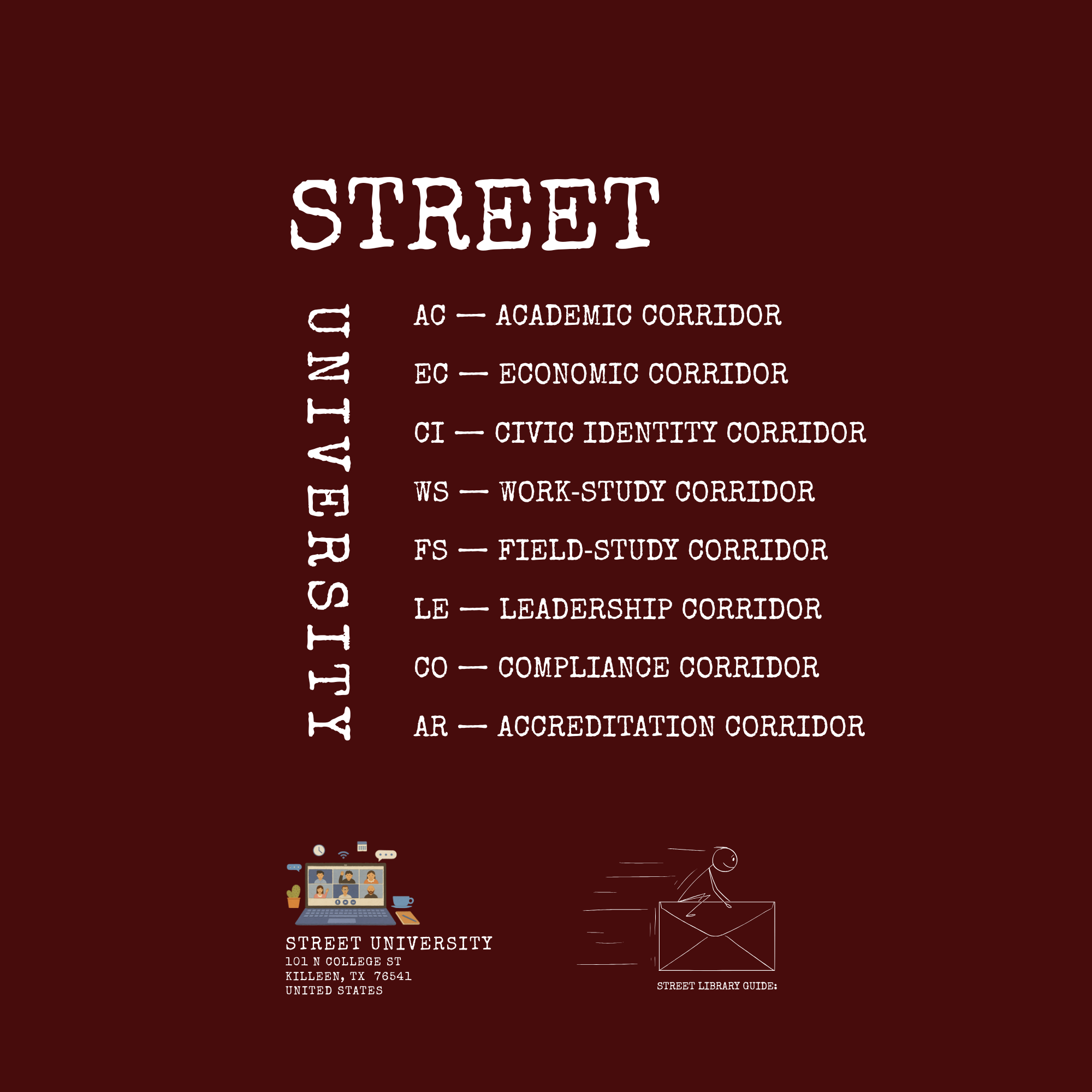 Image 2 of 2
Title: World’s Most Extreme Animals
Author: Karen McGhee
Publisher: Gareth Stevens Publishing
Publication Date: December 30, 2021
ISBN‑13: 9781538274699
ISBN‑10: 1538274698
Page Count: 32 pages
Reading Age: 8–12 years
Grade Level: 4–6
Genre: Juvenile Nonfiction — Science, Nature, Zoology
World’s Most Extreme Animals showcases dozens of animals with extraordinary adaptations — from pandas with massive molars to crabs that punch at high speed. The book highlights creatures with extreme size, strength, senses, and survival abilities, using vivid photographs and continent‑based organization to help readers understand habitat differences. It includes spiders with record leg spans, whales that click louder than airplane engines, and other remarkable species. Designed for grades 4–6, it blends scientific facts with high‑interest visuals to engage young naturalists.
Academic Corridor → Literacy Foundations Tier (Appropriate for early nonfiction comprehension and science literacy.)
AC‑LF‑MCGHEE‑EXTREMEANIMALS‑21
Academic Corridor → Science Literacy
Field‑Study Corridor → Ecosystems & Adaptations
Civic Identity Corridor → Global Biodiversity Awareness
Node A‑3: Informational Text Structure
Node FS‑2: Animal Adaptations & Ecosystems
Node C‑2: Global Environmental Awareness
Title: World’s Most Extreme Animals
Author: Karen McGhee
Publisher: Gareth Stevens Publishing
Publication Date: December 30, 2021
ISBN‑13: 9781538274699
ISBN‑10: 1538274698
Page Count: 32 pages
Reading Age: 8–12 years
Grade Level: 4–6
Genre: Juvenile Nonfiction — Science, Nature, Zoology
World’s Most Extreme Animals showcases dozens of animals with extraordinary adaptations — from pandas with massive molars to crabs that punch at high speed. The book highlights creatures with extreme size, strength, senses, and survival abilities, using vivid photographs and continent‑based organization to help readers understand habitat differences. It includes spiders with record leg spans, whales that click louder than airplane engines, and other remarkable species. Designed for grades 4–6, it blends scientific facts with high‑interest visuals to engage young naturalists.
Academic Corridor → Literacy Foundations Tier (Appropriate for early nonfiction comprehension and science literacy.)
AC‑LF‑MCGHEE‑EXTREMEANIMALS‑21
Academic Corridor → Science Literacy
Field‑Study Corridor → Ecosystems & Adaptations
Civic Identity Corridor → Global Biodiversity Awareness
Node A‑3: Informational Text Structure
Node FS‑2: Animal Adaptations & Ecosystems
Node C‑2: Global Environmental Awareness